

Imagine receiving divine blessings with every prayer. For many, this is the reality when they embrace the practice of Durood Wazaif. Durood refers to the invocation of blessings upon the Prophet Muhammad (peace be upon him). It holds immense significance for Muslims, serving as a means to connect with the Divine and express love for the Prophet.
Practicing Durood Wazaif isn’t just about recitation. It’s about transformation, inner peace, and spiritual strength. The benefits of engaging in this practice range from improved mental clarity to strengthened faith, making it a vital aspect of Islamic worship.
Understanding Durood and its Significance
The Meaning and Importance of Durood
The term “Durood” originates from the Arabic root word “darada,” meaning to bless. It emphasizes the importance of sending salah (blessings) upon the Prophet Muhammad (PBUH). Reciting Durood is a way to seek goodness and mercy, not just for oneself but for the wider community.
Islamic texts highlight the spiritual rewards of reciting Durood. The Prophet Muhammad stated that those who invoke blessings upon him will receive blessings in return. This reflects a beautiful cycle of giving and receiving divine mercy.
Different Types of Durood
Durood can be categorized into various forms, each with its own significance:
- Durood Ibrahim: Often recited during prayers, this Durood is known for its comprehensive blessings.
- Durood Sharif: The most commonly recited Durood, celebrated for its simplicity and scope of mercy.
Examples:
- Durood Ibrahim:
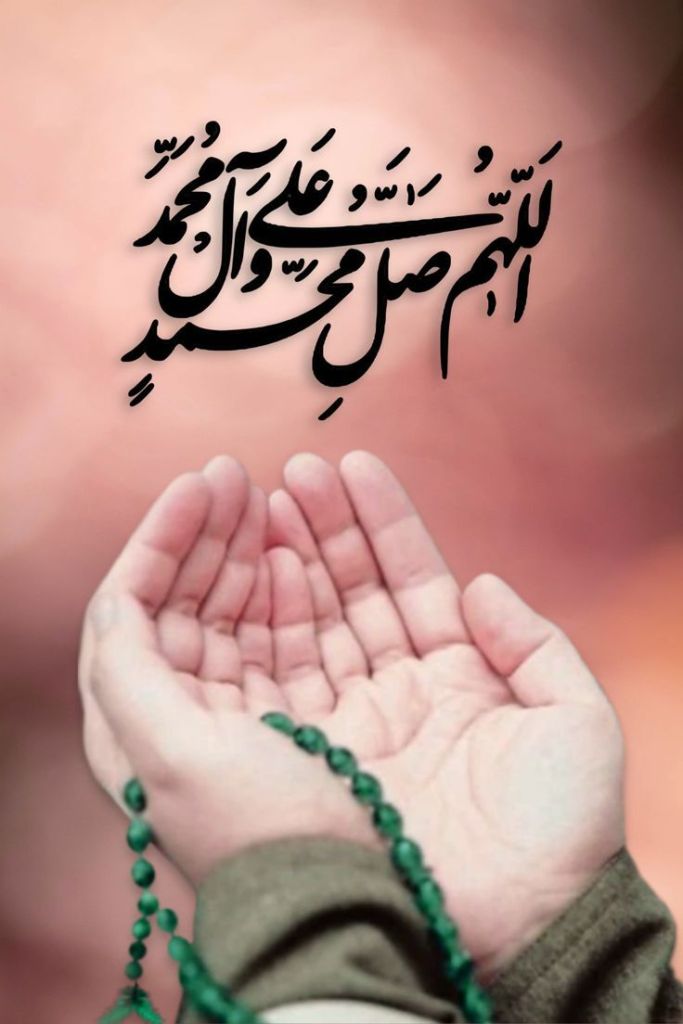
Transliteration: “Allahumma salli ‘ala Muhammad wa ‘ala aali Muhammad.”
Translation: “O Allah, send blessings upon Muhammad and upon the family of Muhammad.” - Durood Sharif:
Transliteration: “Allahumma salli ‘ala Muhammad wa ‘ala aali Muhammad.”
Translation: “O Allah, send blessings upon Muhammad and upon his family.”
Historical Context of Durood Wazaif
The origins of Durood can be traced back to the time of the Prophet Muhammad, who encouraged his followers to recite blessings upon him. Historical accounts from Islamic scholars emphasize the importance and spiritual benefits of this practice, reinforcing its role in the lives of Muslims over centuries.
Benefits of Practicing Durood Wazaif
Spiritual Growth and Enlightenment
Regular recitation of Durood deepens one’s relationship with Allah. Spiritual growth is often accompanied by increased awareness and appreciation for life. The Quran and Hadith emphasize that those who honor the Prophet will be rewarded immensely.
Stress Reduction and Mental Clarity
Durood has a calming effect, similar to prayer and meditation. Scientific studies show that prayer can lead to reduced stress levels. The repetitive nature of Durood creates a sense of peace, allowing one’s mind to clear and focus.
Seeking Blessings and Achieving Goals
Many use Durood to seek guidance and assistance in their daily lives. Followers have reported positive changes after incorporating Durood into their routines. This practice can pave the way for personal goals and aspirations, fostering a sense of hope and direction.
How to Perform Durood Wazaif Effectively
Choosing the Right Durood
Selecting the right Durood is crucial. Consider your intentions; whether seeking blessings, forgiveness, or guidance, different Durood serve various purposes. For example, Durood Ibrahim is ideal for general blessings, while Durood Sharif is perfect for daily recitation.
Establishing a Consistent Routine
Consistency is key in any spiritual practice. Set a specific time each day for Durood recitation, such as after the five daily prayers or during quiet moments of reflection. Regular practice helps solidify your commitment and enhances the experience.
Maintaining Proper Intention and Focus
Sincerity is vital when reciting Durood. Approach this practice with a humble heart and a focused mind. The concept of Khushu’ (humility) plays a significant role in prayer, enhancing the overall spiritual experience.
Popular Durood Wazaif
Durood Ibrahim: A Powerful Invocation for Blessings
Durood Ibrahim is revered for its extensive blessings. It is often recited during prayers and provides a pathway to receiving mercy from Allah.
Transliteration: “Allahumma salli ‘ala Muhammad wa ‘ala aali Muhammad.”
Translation: “O Allah, send blessings upon Muhammad and upon the family of Muhammad.”

Durood Sharif: The Most Common and Widely Used Durood
This is the most familiar form of Durood, frequently used in prayers, gatherings, and personal worship. It serves as a beautiful reminder of love and respect for the Prophet.
Transliteration: “Allahumma salli ‘ala Muhammad wa ‘ala aali Muhammad.”
Translation: “O Allah, send blessings upon Muhammad and upon his family.”
Other Notable Durood Wazaif and their Specific Uses
Other Durood include Durood Khaisarah and Durood Tha’lah, each serving unique purposes. Many online resources provide in-depth explanations of these Durood, enhancing understanding and practice.
Combining Durood with Other Islamic Practices
Durood and Salat (Prayer): Enhancing the Spiritual Experience
Integrating Durood into Salat amplifies the prayer’s impact. It can be recited before or after Salat, enriching the connection to Allah.
Durood and Dhikr (Remembrance of Allah): Deepening Spiritual Connection
Combining Durood with Dhikr enhances spiritual awareness. Engaging in both simultaneously can create a richer experience, reinforcing faith and devotion.
Durood and Seeking Forgiveness (Istighfar): A Pathway to Repentance
Reciting Durood while seeking forgiveness amplifies the sincerity of repentance. The combined act serves as a powerful reminder of Allah’s mercy and grace.
Conclusion Practicing Durood Wazaif opens pathways to divine blessings and spiritual growth. Consistency and sincerity are essential for maximizing its benefits. Begin your Durood practice today, and experience the transformative power it holds for your life. Embrace this beautiful practice and witness the change it brings.
 Durood Wa Salam
Leave a comment